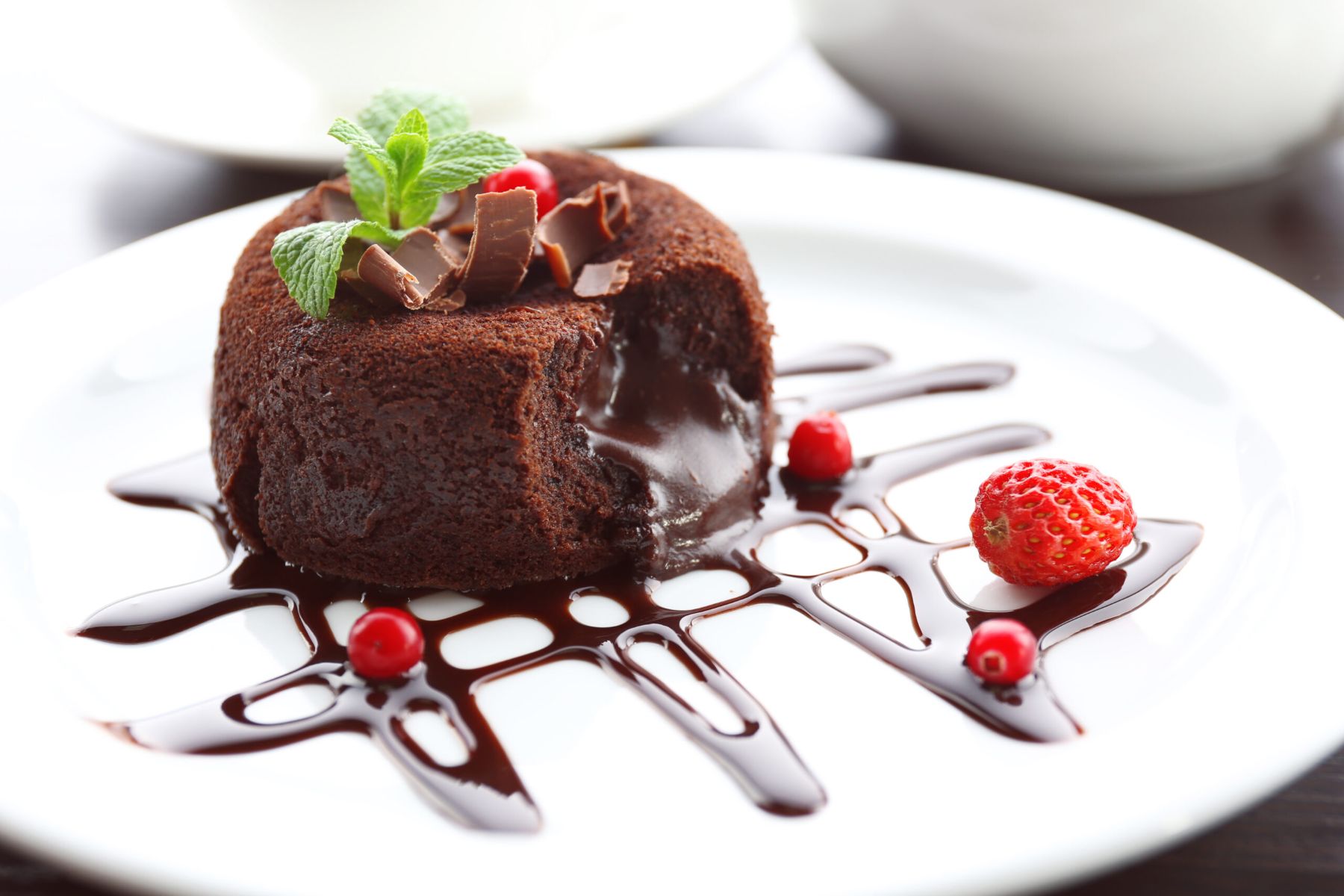
Culinary team building is a corporate activity that uses structured cooking challenges, rather than a standard cooking class, to build collaboration, communication, and problem-solving among a team. The difference between the two is the point: a cooking class teaches a skill, while a culinary team-building session uses cooking as the task a group has to organise itself around, with a chef setting the brief and judging the result rather than teaching a recipe step by step.
How a Culinary Team-Building Session Actually Works
A session typically runs for three hours in total, with around ninety minutes of hands-on cooking. It follows a consistent structure regardless of which challenge a team chooses:
- Briefing: the chef sets out the challenge, whatever it is, whether that’s a set of mystery ingredients, a recipe with a twist, or a time-pressured task, and explains how the session will be judged.
- Planning: teams divide up the work among themselves. Who preps, who cooks, who plates, and in some formats, who runs out to buy ingredients within a set budget and time limit.
- Cooking: the hands-on portion, where the actual teamwork happens. This is deliberately unscripted compared to a class, since the chef guides rather than instructs step by step.
- Judging: a chef scores the result, typically on criteria like collaboration, flavour, presentation, cleanliness, and innovation, and the session closes with a result rather than just everyone going home with a finished dish.
Why Cooking Works as a Team-Building Format
Cooking gives a group a shared physical task with a visible, judged result, and it does this without needing a facilitator to manufacture reasons for people to talk to each other. Chopping, plating, and timing a dish together creates natural moments of coordination that a lecture-style activity can’t replicate.
It also levels the room in a way that a lot of office activities don’t. A session’s outcome depends on how well a team organises itself under a time limit, not on who holds the most senior title, which means a junior team member who’s a confident home cook can end up leading the group through a challenge. That’s a dynamic that rarely shows up in a normal meeting room.
The Formats Kitchen Showdown Runs
How a session works in practice depends on which challenge a team books. Kitchen Showdown runs six formats, each with a different balance of pressure, structure, and pace:
- The Mystery Box Challenge gives teams a set of mystery ingredients and a three-course brief, judged on collaboration, flavour, presentation, cleanliness, and innovation. The most popular format, and the clearest example of problem-solving under pressure.
- The Amazing Race Challenge adds a literal race against the clock: teams get a budget and ten minutes to plan, then send members to buy ingredients before racing back to finish cooking.
- The Ultimate Restaurant Challenge simulates a real restaurant kitchen during a rush, with teams taking orders, customising dishes, and keeping service moving, testing coordination and timing more directly than any other format.
- A.I Chef Showdown works AI-driven tasks into a three-course cooking contest, a novel addition to the usual format for teams who’d enjoy that angle.
- The Pizza Perfecto Challenge and Team Bake Off Challenge both run at a more relaxed, creative pace, guiding teams through making pizza dough from scratch or baking and decorating desserts, with more recipe support than the competitive formats above.
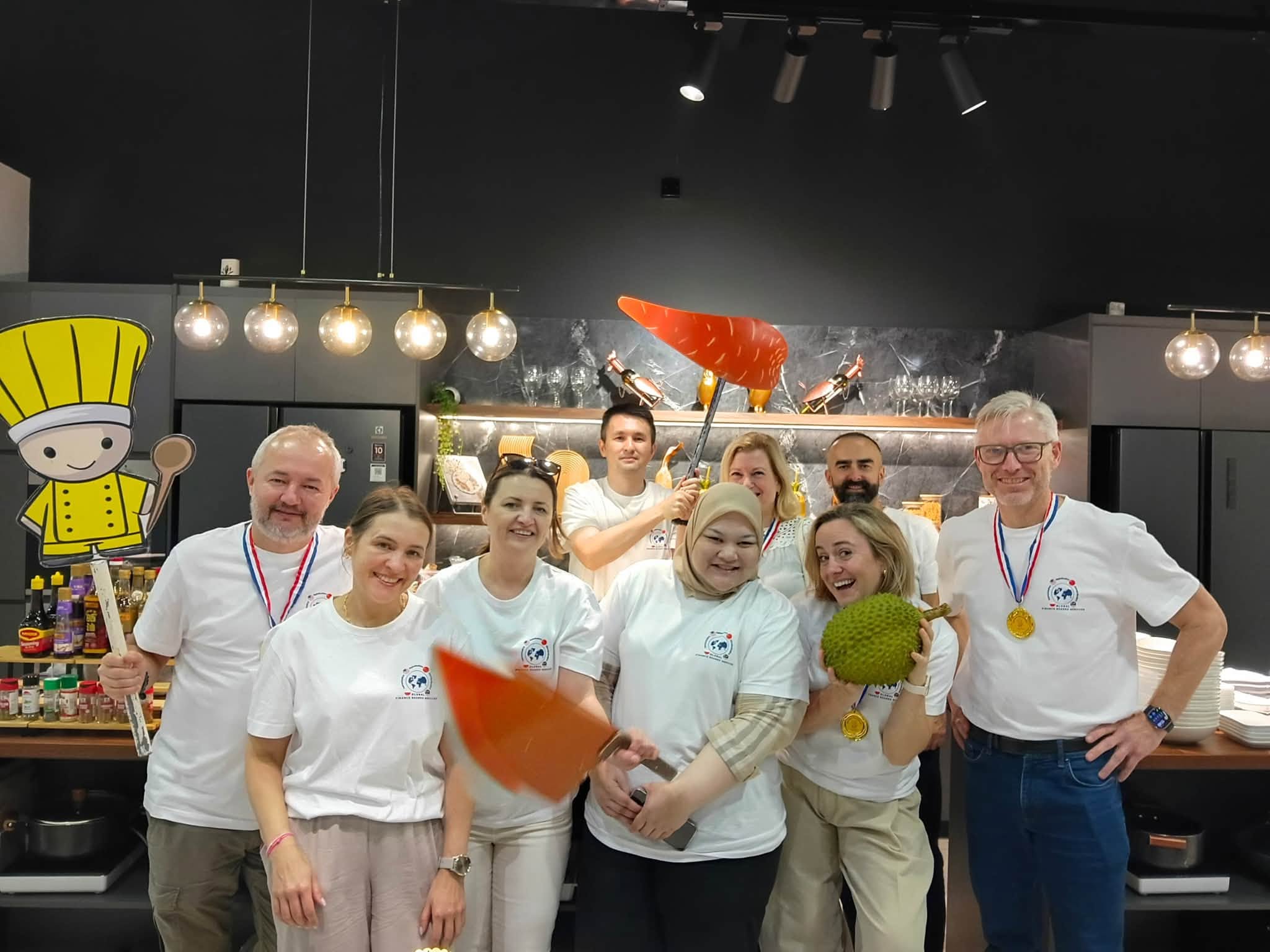
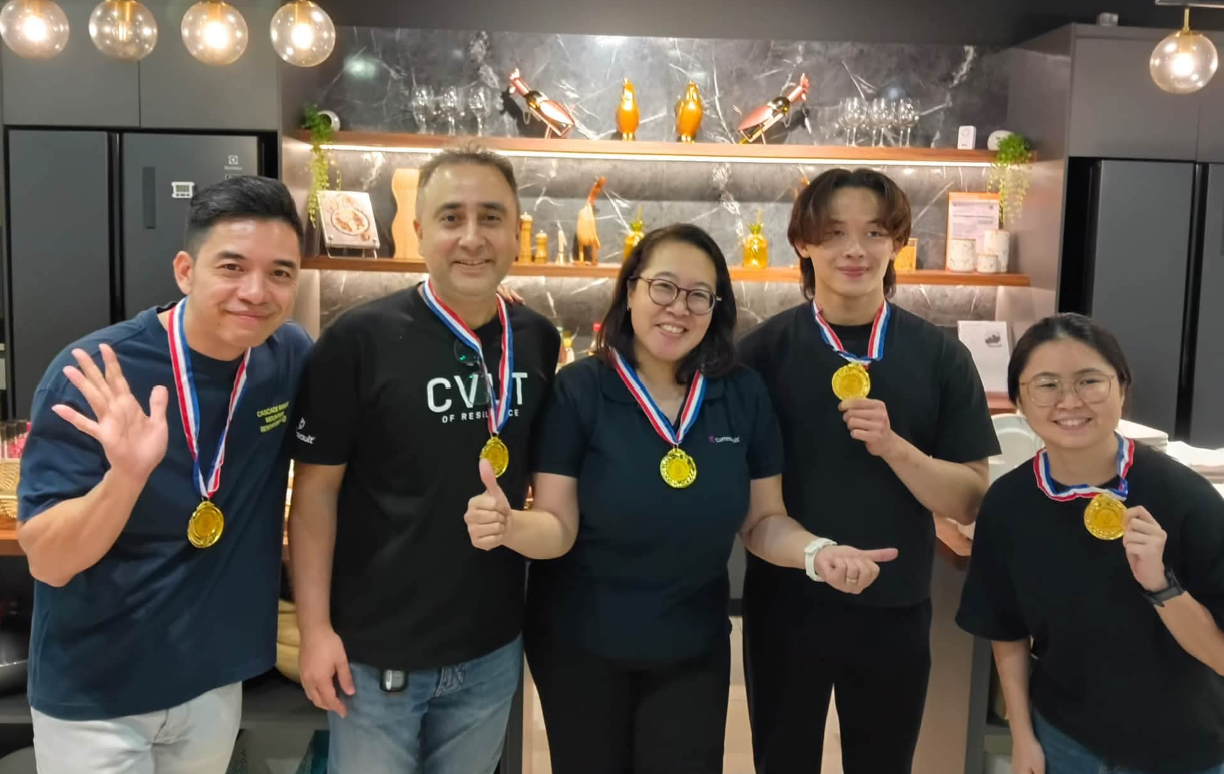
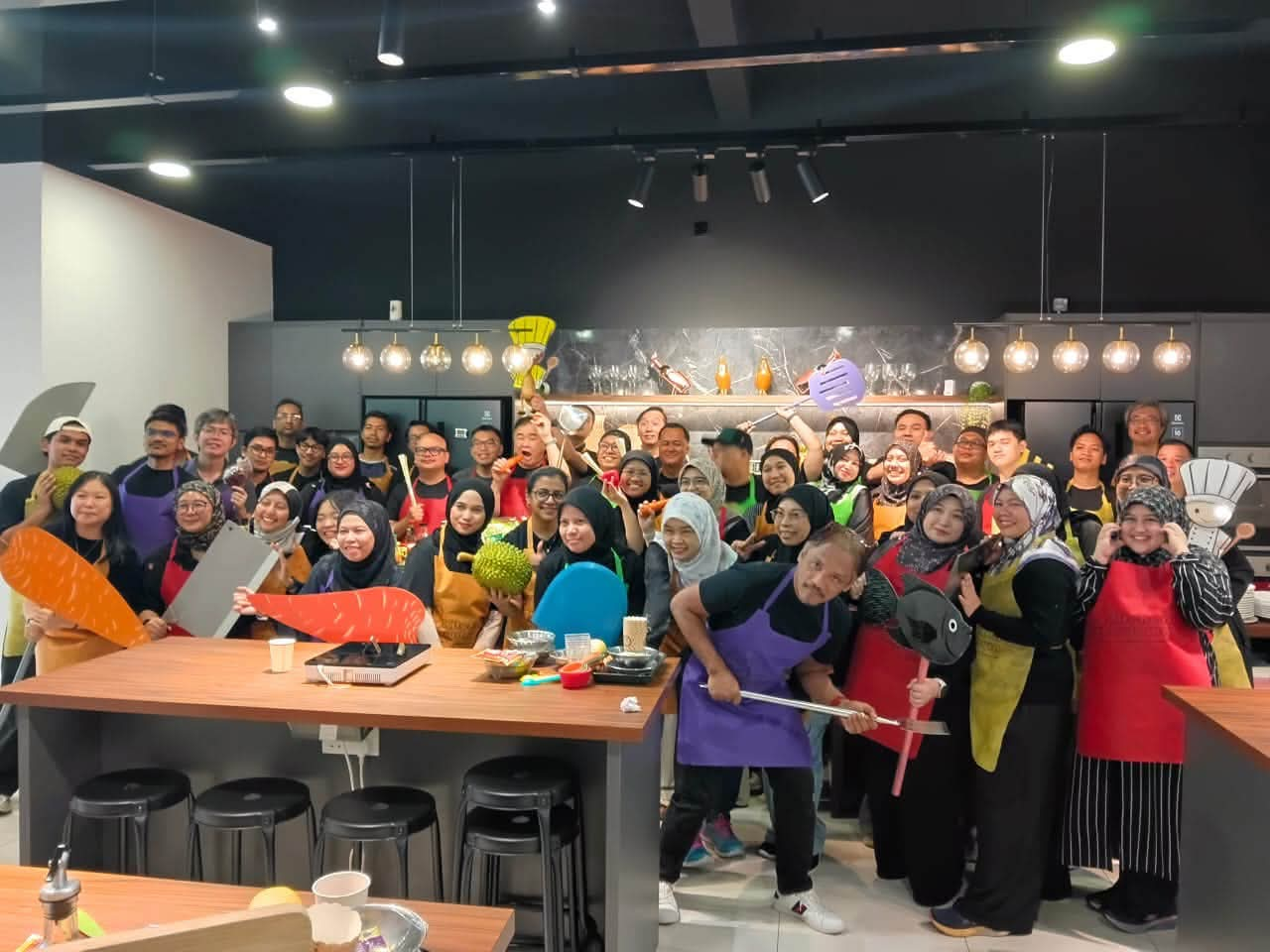
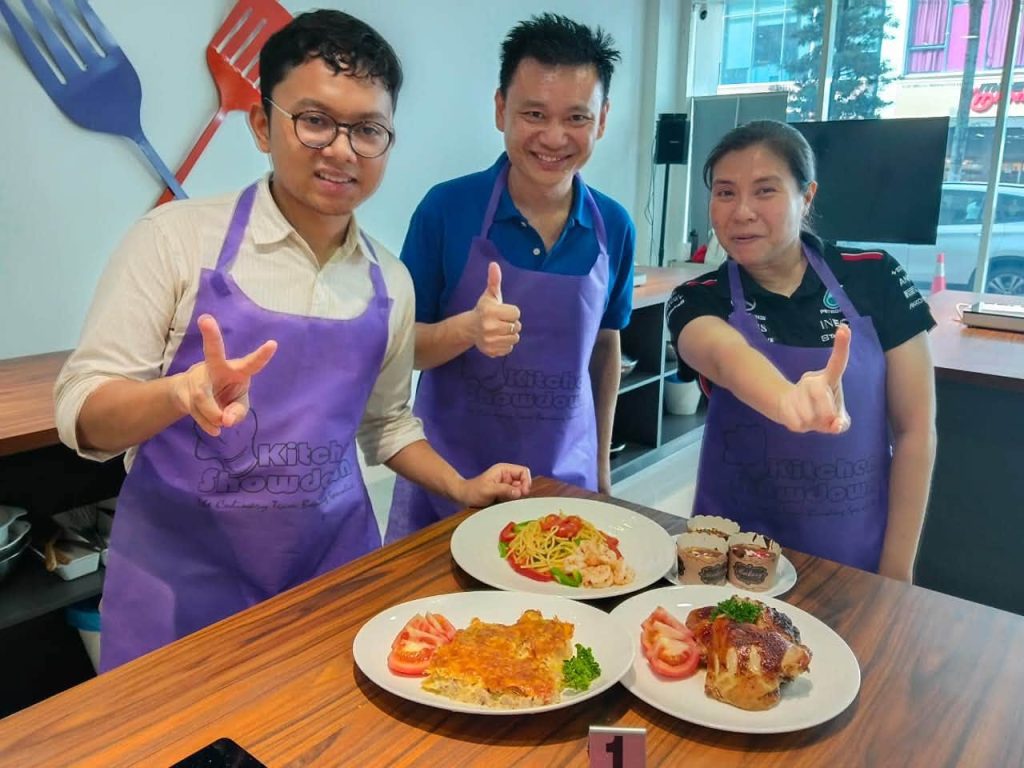
Two recent sessions show what this looks like with real teams. The Petronas team took on the Mystery Box Challenge, splitting up the work to cook Thai spring rolls, molten lava cake, and ondeh ondeh from a shared set of ingredients, with everyone taking responsibility for a different stage of the process. The Credit Guarantee Corporation team ran the same challenge, cooking kimchi pancakes and molten lava cake together under the same time pressure. In both cases, the structure of the challenge, not a facilitator’s icebreaker games, is what got people working as a team.
Is Culinary Team Building Right for Your Team?
Culinary team building suits teams that want a shared, hands-on activity with a clear result, rather than a purely physical challenge like an escape room or a lecture-style workshop. It works for groups with mixed cooking confidence, since every format is designed to be suitable for all levels, and it scales from a small team to a larger group depending on the format and venue capacity. The main thing to get right is matching the format to how your team actually works together. A less competitive team does better with a structured, recipe-supported format, while a team that enjoys friendly competition gets more out of a format like the Amazing Race or Mystery Box.
Sessions run at Kitchen Showdown’s own studio in Bandar Bukit Jalil, Kuala Lumpur. To book, use the instant quote form with your preferred dates and group size, or reach out via the contact page to talk through which format fits your team.
Who Books Culinary Team Building Sessions
Culinary team building is not tied to one industry. The two named examples on this page come from different sectors entirely: Petronas, an energy company, and Credit Guarantee Corporation, a financial guarantee institution, both ran the same Mystery Box Challenge with their teams. What they had in common was not the business they are in, it was wanting a shared activity that gets a group working together outside the usual office setting. That pattern holds across most teams that book a session: departments going through a reorganisation, new teams that have not worked together in person yet, or an annual offsite that wants something more memorable than a standard dinner. The format matters more than the industry, since the challenge itself is what does the work of getting people talking and coordinating, regardless of what the team does for a living.
Frequently Asked Questions
What is culinary team building?
Culinary team building is a corporate activity that uses structured cooking challenges, judged by a chef, to build collaboration and communication within a team. It differs from a regular cooking class, which teaches a recipe rather than testing teamwork.
How does a culinary team-building session work?
A session typically runs three hours, including a chef’s briefing, around ninety minutes of hands-on cooking, and a judged result at the end. The exact structure depends on the format, but every session follows this same briefing, cooking, and judging sequence.
Do we need to know how to cook?
No. Every format is designed to be suitable for all levels, with a chef guiding or demonstrating depending on the challenge, so the activity tests teamwork rather than existing cooking skill.
How is a session judged?
Most formats are judged by a chef on criteria such as collaboration, flavour, presentation, cleanliness, and innovation, with a winning team announced at the end.
What's the difference between culinary team building and a regular cooking class?
A cooking class is instructional: a chef teaches one recipe and everyone follows the same steps. Culinary team building uses cooking as a team challenge, with the chef setting a brief and judging the outcome rather than teaching step by step.
How many people can take part?
Group size depends on the format and venue capacity. The instant quote form asks for your number of participants so the team can confirm fit for your preferred date and time slot.