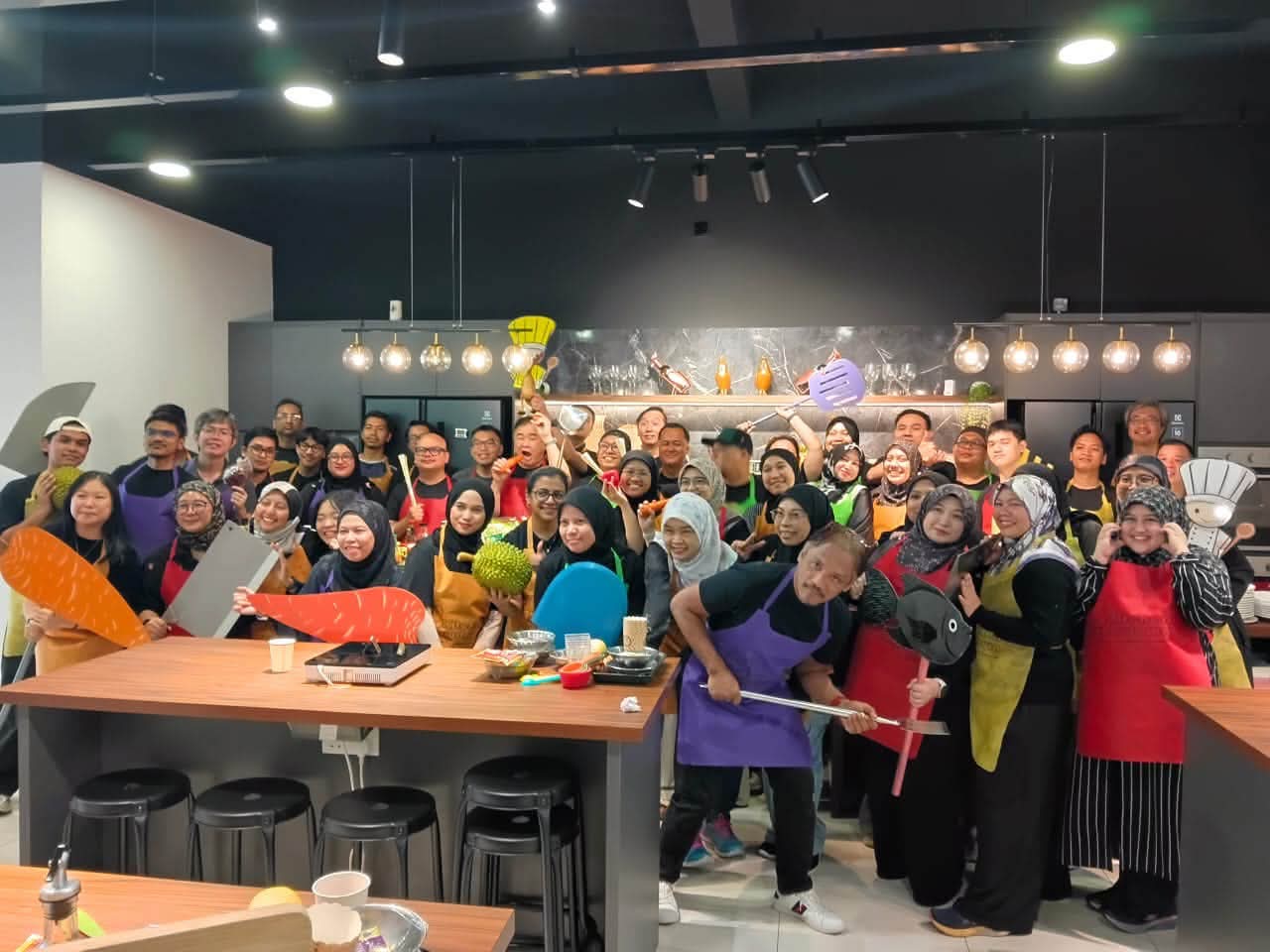
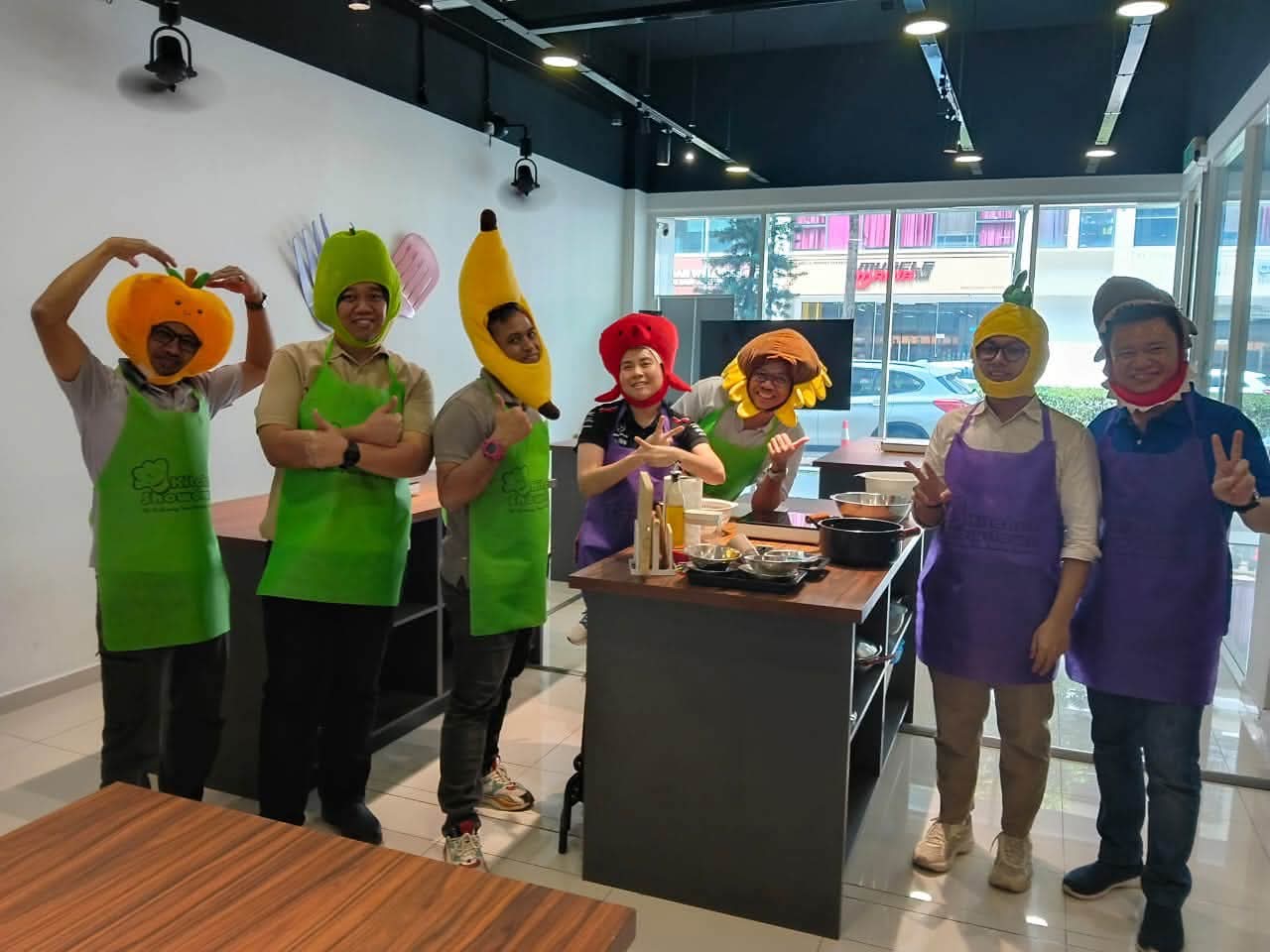
Team bonding activities for Klang Valley offices work best when they force people to collaborate on something unfamiliar together, rather than simply sitting through another briefing or lining up for a group photo.
Search for ideas, and you’ll mostly find the same shortlist: escape rooms, laser tag, climbing gyms. They’re not wrong choices, but they’re also the default, which means most teams have already tried two or three of them.
Why the Usual List Doesn’t Always Land
Escape rooms and physical challenges are genuinely effective for communication and problem-solving, and that’s exactly why they’ve become so common. The downside is repetition: a team that’s done three escape rooms across three company outings isn’t bonding over something new, they’re repeating a format. The activity itself stops being the point, and the novelty that made it work the first time is gone.
There’s also a format gap. Puzzle rooms and physical games are built around competition under time pressure, which suits some teams but can sideline quieter colleagues who don’t thrive under that kind of stress. Fewer formats give people a reason to talk, laugh, and make something together without a countdown clock running.
Why Cooking-Based Bonding Works Differently
Cooking together combines several things a good bonding activity needs: a shared physical task, a visible result, and a natural reason to talk that doesn’t feel forced. Chopping, plating, and tasting as a group create small moments of collaboration that don’t need a facilitator to engineer them.
It also levels the playing field in a way that escape rooms don’t always manage. Nobody’s job title determines who’s good at assembling a dish under a time limit, which puts people on equal footing regardless of seniority. A junior executive who’s a confident home cook can end up leading a team through a challenge, which is a dynamic that rarely happens in a boardroom.
There’s also a practical reason cooking-based bonding tends to stick in people’s memories longer than a puzzle room does: everyone leaves with the same shared reference point, right down to the dish they made and whether it turned out well. Months later, “remember when we burned the rice” does more for team rapport than a vague memory of solving a locked box.
What to Look for in a Cooking-Based Team Activity
If you’re considering a cooking challenge over the usual options, a few things separate a well-run session from a flat one:
- A structured challenge, not just a cooking class: Competitive formats with clear rounds and judging give the activity shape, rather than everyone cooking in parallel with no shared goal.
- Facilitation that reads the room: A good host adjusts pace and difficulty depending on whether the group is competitive or more relaxed.
- A result people actually eat together: The debrief-over-food moment at the end is where a lot of the actual bonding happens, not just the cooking itself.
- Group size flexibility: Check that the format scales properly for your team size rather than being awkward with 8 people or chaotic with 40.
- Dietary accommodation: Confirm upfront how the venue handles halal, vegetarian, and allergy requirements, since this is easy to overlook when booking and awkward to fix on the day.
Culinary Team Building in the Klang Valley
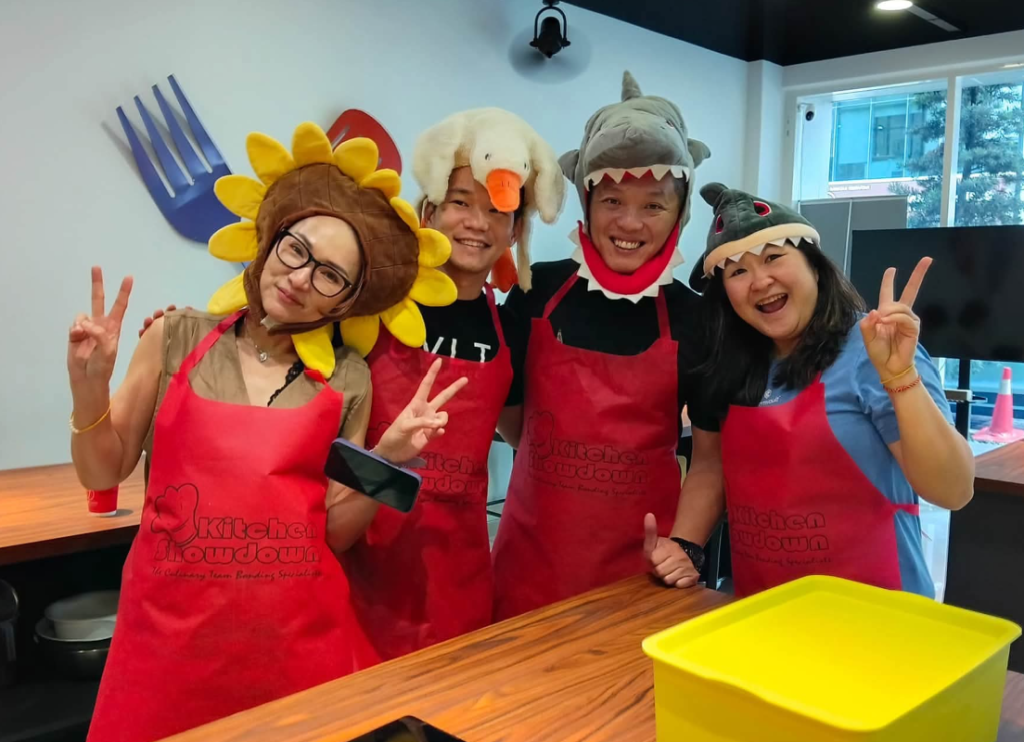
This is the space culinary team building occupies: structured cooking challenges designed around collaboration rather than a standard cooking class. Formats range from head-to-head cooking battles to mystery-box style challenges where teams have to improvise with a set list of ingredients, which keeps the competitive element intact without relying on a ticking clock and a locked door.
Other formats lean further into the celebratory side, built more around a shared meal and friendly rivalry than a strict scoring system, which suits teams that want the bonding without the pressure of a tight competition.
Picking the Right Format for Your Team
A smaller team or a group that’s new to each other tends to do better with a collaborative format, where the goal is a shared dish rather than beating another team on time. Larger or more established teams, especially ones that enjoy friendly competition, often get more out of a head-to-head challenge with scoring and a clear winner.
Either way, the venue matters as much as the format. A dedicated kitchen studio built for this kind of event, rather than a function room with a few portable stoves wheeled in, makes the whole session run more smoothly and feels less like an office activity bolted onto a kitchen.
If you’re planning a session for your team, get in touch through the contact page with your group size and preferred dates, and the team can help you pick a format that fits.
Frequently Asked Questions
What are good team bonding activities for office teams in the Klang Valley?
Cooking-based team challenges, escape rooms, and climbing or laser-tag sessions are among the most popular options for Klang Valley offices. Which one works best depends on whether your team responds better to a collaborative task or a competitive, time-pressured one.
Why is cooking a good team bonding activity?
Cooking together gives a team a shared physical task with a visible result, and it naturally levels seniority differences since job title has little bearing on who can assemble a dish well. It also builds in a natural social moment at the end, when the team eats what they’ve made together.
How many people can take part in a cooking team-building session?
This depends on the venue and format, but a well-run session should scale from a small team of around eight people up to larger groups of several dozen. Confirm group-size flexibility with the venue before booking if your team size is on the larger side.
Is a cooking team-building activity suitable for a team that doesn't like cooking?
Yes, a structured format doesn’t require prior cooking skills. The challenge is designed around teamwork and problem-solving under the same conditions for everyone, so confidence in the kitchen helps less than people expect.
How long does a typical team bonding cooking session take?
Most structured cooking challenges run two to three hours, including a briefing, the cooking rounds, and time to eat and debrief together at the end. This is usually confirmed when booking, since it can be adjusted around a wider event schedule.
What's the difference between a cooking class and a cooking team-building challenge?
A cooking class is instructional, with a chef guiding everyone through the same recipe. A team-building challenge is competitive or collaborative by design, structured around rounds, scoring, or shared goals, with the cooking itself as the vehicle for teamwork rather than the end goal.
How far in advance should we book a team bonding activity?
Two to four weeks of notice is generally enough for a cooking-based team activity, though popular dates around year-end and festive periods in the Klang Valley fill up faster. Booking earlier gives you more flexibility on date, format, and any dietary arrangements the group needs.